Acrylic, Mineral or Sapphire? Four Tests That Identify Your Watch Crystal
Four no-tool tests to identify your watch crystal: the water-bead shape, reflection crispness, tap-and-temperature, and the scratch diagnostic — plus what each material means for care and authenticity.
Watch Crystal Identification
The water-bead shape
Place a small drop of water on the crystal and tilt. Sapphire: the bead stays tight and nearly spherical even when tilted steeply. Mineral: flattens and slides moderately. Acrylic: spreads instantly and wets the surface. Clean the crystal first — skin oils fake the result.
Reflection crispness
Tilt under a single light source. Sapphire: razor-crisp reflections, often with a faint blue anti-reflective sheen. Mineral: slightly softer edges, neutral color. Acrylic: soft, wavy reflections with a micro-scratch haze on older examples.
Tap + temperature
Tap with a fingernail: sapphire rings high and crisp; mineral thuds mid-tone; acrylic answers with a distinct plastic knock. Touch to the upper lip: sapphire and mineral stay cold longer; acrylic warms to skin instantly.
Scratch politics
The traditional watchmaker diagnostic: acrylic scratches with a dragged fingernail; mineral needs steel; sapphire ignores steel entirely. Run only on an unseen area of a watch you own — never on stock for sale or a treasure you love.
The three materials, in one line each
Acrylic (plastic): lightest, most shatter-resistant, scratches but polishes back to new with poly paste. Mineral glass (treated glass): the mid-tier default — harder than acrylic, scratches permanently, affordable. Sapphire (lab corundum): nearly unscratchable by daily life, but shatters under sharp point impacts.
Why this matters beyond curiosity
1. Authenticity. Counterfeit units routinely use cheaper crystals than the genuine reference specs — a listing that claims sapphire but fails the water-bead test is a spec lie, and spec lies travel with other lies.
2. Care routing. The maintenance routine is material-dependent: acrylic polishes back in five minutes, mineral scratches are permanent, sapphire never needs the worry. Buying into the right care routine starts with knowing the glass.
3. Buying intel. Grey-market and marketplace listings occasionally misstate crystals. The four tests above verify the seller's claim in one minute — before the return window closes.
The compressed protocol
Water bead → reflection → tap + temperature. Three tests, one minute, no caseback opening — and the watch just told you its price class honestly. The fourth (scratch) stays diagnostic, for units you own and areas you've accepted to sacrifice.
More verification guides
Buying stock and want it verified before shipping?
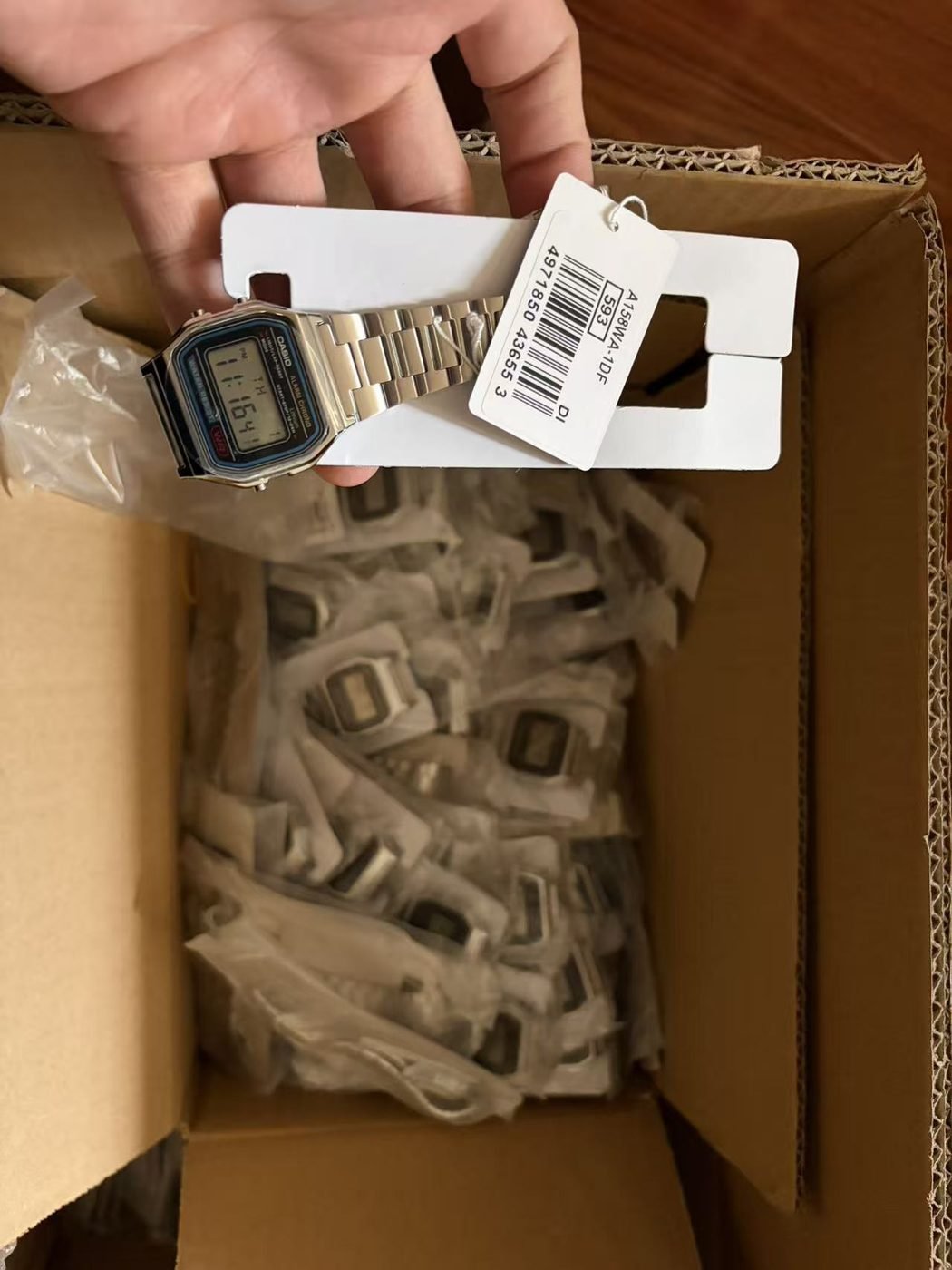
Every JOJO WATCH WHOLESALE order ships with model-labelled cartons, packing lists and pre-shipment photos — verified with exactly the checks in this guide.
Get a Verified Wholesale Quote